
H&M Landscaping Experts in Custom Hardscaping Design and Installation Across Sudbury Ontario
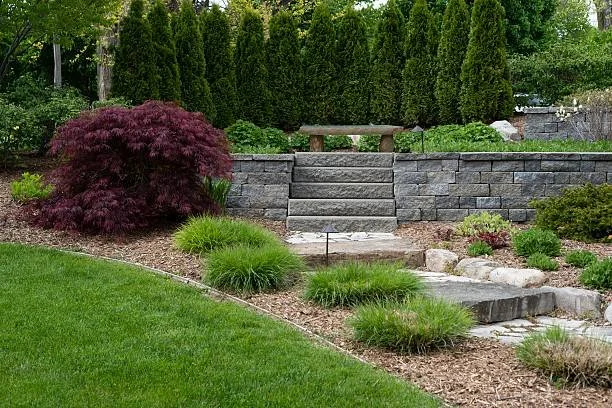
Every outdoor space holds untapped potential waiting to be shaped into something functional, durable, and visually striking. At HM Landscaping, we approach hardscaping with precision and purpose, turning ordinary landscapes into structured, elegant environments that stand the test of time. Hardscaping is not just about adding stone or concrete features. It is about creating a foundation that enhances usability, defines space, and elevates your property's overall appeal.
Custom hardscape design and installation includes all the non-living elements of landscaping, such as driveways, patios, walkways, retaining walls, and fences. These elements play a critical role in shaping how your outdoor space is experienced. Whether it is a welcoming driveway, a comfortable patio for gatherings, or a retaining wall that adds both function and style, our work is designed to deliver long-term value.
We bring together design expertise, high-quality materials, and skilled craftsmanship to ensure every project reflects durability and aesthetic excellence. Our goal is to create outdoor environments that are not only visually appealing but also practical for everyday use in Sudbury and across Ontario.
We Design Hardscapes That Add Real Value
Hardscaping is an investment that enhances both the beauty and functionality of your property. Our designs are carefully planned to complement the existing landscape while introducing structure and balance.
Why hardscaping matters
• Improves property value and curb appeal
• Enhances usability of outdoor spaces
• Provides durable and low-maintenance solutions
• Defines outdoor areas with structure and clarity
• Supports drainage and prevents soil erosion
By integrating these elements into your landscape, we ensure your outdoor space becomes an extension of your home or business.

We Deliver Driveway Hardscaping Solutions Built to Last
Your driveway is one of the most visible and frequently used features of your property. It sets the tone for the entire landscape while also needing to withstand heavy use and changing weather conditions. Our driveway hardscaping solutions are designed with both durability and visual impact in mind.
Custom driveway design and installation
We create driveways that are tailored to your property layout, ensuring smooth functionality and a refined appearance. Whether you are upgrading an existing driveway or starting from scratch, we focus on delivering a solution that blends seamlessly with your surroundings.
Key features of our driveway solutions
• Strong and stable base construction
• Proper drainage planning to prevent water pooling
• Clean and precise finishing for a polished look
• Custom patterns and layouts to match your style
Our expertise ensures your driveway remains resilient while enhancing your property's overall aesthetic.
We Build Patios and Walkways That Define Outdoor Living
A well-designed patio or walkway transforms your outdoor space into a functional and inviting area. These elements provide places for relaxation and entertainment, as well as easy navigation throughout your property.
Patio construction with a purpose
We design patios that serve as the centerpiece of your outdoor living space. Whether you envision a quiet retreat or a vibrant entertainment area, we bring your ideas to life with thoughtful planning and high-quality materials.
Walkways that connect and enhance
Walkways are more than just paths. They guide movement, improve accessibility, and add visual interest to your landscape. Our walkway designs are created to complement your overall hardscape while ensuring safety and durability.
What sets our patio and walkway projects apart
• Custom layouts tailored to your lifestyle
• Seamless integration with surrounding landscape features
• Durable materials that withstand seasonal changes
• Attention to detail in every installation
With our approach, your outdoor space becomes more than just a yard. It becomes a destination.
We Construct Retaining Walls and Fencing with Strength and Style
Fence and wall installation in Ontario are essential components of a well-structured landscape. They provide both functional support and visual definition, helping create a balanced, organized outdoor environment.
Retaining walls that combine function and design
Retaining walls are crucial for managing slopes, preventing soil erosion, and creating level areas within your landscape. Our retaining wall solutions are engineered for strength while also enhancing the visual appeal of your property.
Fence and wall installation across Ontario
Fencing adds privacy, security, and structure to your outdoor space. We offer fence and wall installation solutions designed to meet your specific needs while complementing your overall landscape design.
Benefits of our retaining walls and fencing solutions
• Improved land stability and erosion control
• Enhanced privacy and security
• Defined property boundaries
• Increased aesthetic value
Our team ensures every installation is built to last while maintaining a cohesive and polished look.
We Use High Quality Materials for Long Lasting Results
The success of any hardscaping project depends heavily on the materials used. We carefully select materials that offer durability, versatility, and visual appeal.
● Concrete for strength and versatility
Concrete is a reliable choice for many hardscaping applications. It provides a strong foundation and can be customized with various finishes to achieve different looks.
● Natural stone for timeless elegance
Natural stone adds a classic and sophisticated touch to any landscape. Its unique textures and colors create a distinctive appearance that enhances the overall design.
● Interlock pavers for flexibility and style
Interlock pavers are a popular choice for driveways, patios, and walkways. They offer design flexibility and can be arranged in various patterns to create a customized look.
Advantages of our material selection
• Long-lasting performance in varying weather conditions
• Low maintenance requirements
• Wide range of design possibilities
• Consistent quality and durability
By using premium materials, we ensure your hardscape remains strong and visually appealing for years to come.
We Follow a Structured Design Consultation Process
Every successful hardscaping project begins with a clear understanding of your vision and requirements. Our design consultation process is designed to ensure every detail is carefully planned before construction begins.
Our step-by-step approach
• Initial consultation to understand your goals and preferences
• Site evaluation to assess layout, soil conditions, and drainage
• Concept design tailored to your property and style
• Material selection based on durability and aesthetics
• Detailed planning to ensure efficient execution
This process allows us to create a customized solution that aligns with your expectations while maintaining functionality and efficiency.
We Showcase Our Work Through a Diverse Project Gallery
Our project gallery reflects the range and quality of our hardscaping work across Sudbury and Ontario. Each project demonstrates our commitment to craftsmanship, attention to detail, and innovative design.
What you can expect in our projects
• Clean and precise installations
• Thoughtful design that complements the property
• Durable construction built for long-term use
• Creative solutions tailored to unique spaces
Our portfolio showcases how we transform outdoor areas into structured, visually appealing environments.
We Bring Expertise and Precision to Every Project
Choosing the right team for your hardscaping project makes all the difference. Our experience, combined with a commitment to quality, ensures every project is completed to the highest standards.
Why homeowners and businesses trust us
• Skilled professionals with extensive industry experience
• Focus on both functionality and design
• Reliable timelines and efficient project management
• Commitment to customer satisfaction
We take pride in delivering results that exceed expectations while maintaining a smooth and transparent process.
Start Your Hardscape Project!
Your outdoor space deserves a transformation that reflects both style and functionality. Whether you are planning a new driveway, patio, walkway, or retaining wall, HM Landscaping is ready to bring your vision to life with expert craftsmanship and thoughtful design.
Take the first step toward enhancing your property with custom hardscape design and installation solutions tailored to your needs. Contact us today to begin your hardscape project and create an outdoor space that stands out across Sudbury and Ontario.